
Birds as Nature’s Barometers

Birds are commonly known as “barometers of the environment” because they provide valuable insights into the health and sustainability of ecosystems. As highly sensitive creatures, birds respond to changes in their environments, such as habitat loss, climate change, pollution, and shifts in food supply.[1] They serve as crucial indicators for monitoring the well-being of ecosystems, […]
Sovereign Debt-for-Nature Swaps: A Solution for Conservation and Economic Stability

As environmental concerns intensify and developing countries continue to face substantial debt repayments, the financial landscape is evolving, with a growing interest in innovative mechanisms that aim to address both economic and environmental challenges. Among these, Debt-for-Nature Swaps (DFNS) have emerged as financial structures that enable the restructuring of a portion of a sovereign’s debt […]
Sustainability-Linked Bonds: Evolving into a Stronger and More Effective Financial Instrument

Evolution of SLBs in Sustainable Finance Over the past decade, the thematic bond market in Latin America and the Caribbean (LAC) has expanded significantly, exceeding USD 220 billion in cumulative issuance (Figure 1).[1] This growth underscores the increasing role of fixed income debt in channeling capital toward sustainability priorities. Sustainability-Linked Bonds (SLBs) emerged in 2020 […]
Empowering Small Farmers: The case for parametric insurance in building climate change resilience agriculture
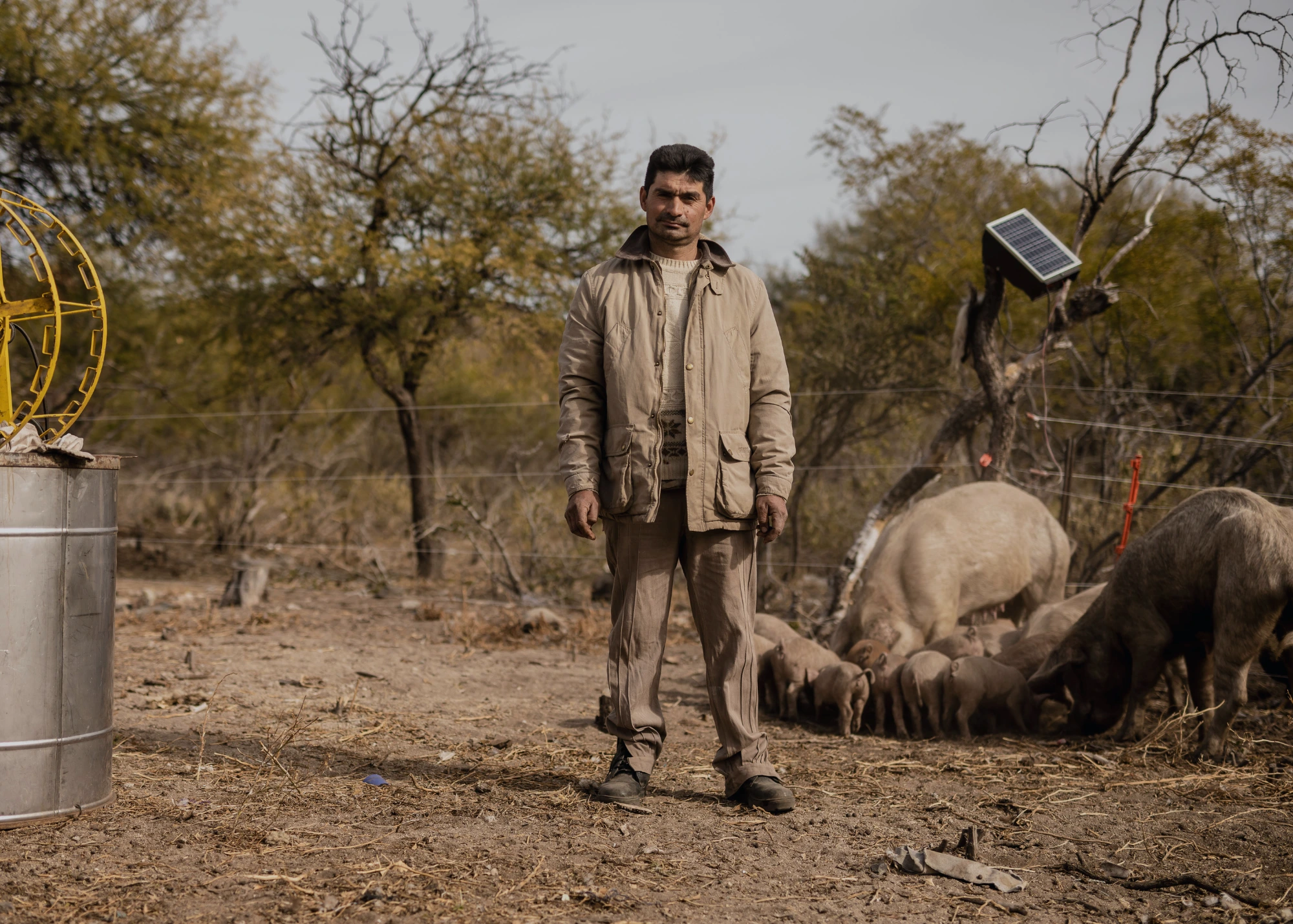
Agriculture is a cornerstone of Latin America and the Caribbean’s (LAC) economy, accounting for more than 7% of the region’s GDP [1]. As a region rich in biodiversity and arable land, LAC serves as a global breadbasket. The sector supports not only regional food security but also economic stability, with agriculture accounting for a substantial […]
Building Credible Net Zero Transition Plans
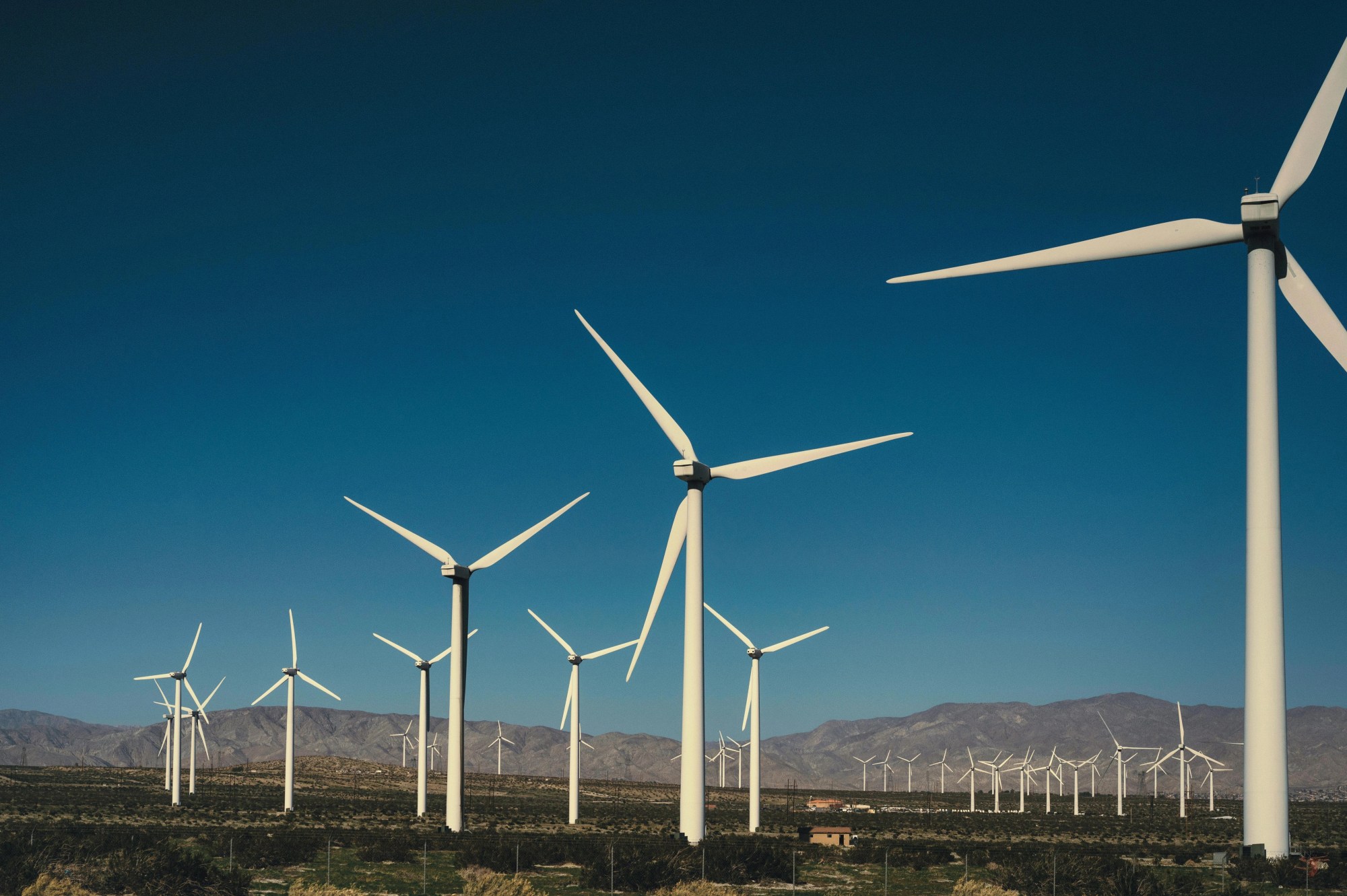
The Paris Agreement resulted in a global commitment from both developing and developed nations to limit global temperature from increasing more than 1.5°C above pre-industrial levels.[1] Achieving this goal requires halving global greenhouse gas (GHG) emissions by 2030 and reaching net zero by 2050, otherwise our chances of preserving a livable planet will be dramatically […]
Empowering Indigenous Youth: Leading the Way in Biodiversity Conservation and Climate Justice

Indigenous Youth as Custodians of Nature Over the past 50 years, wildlife populations have declined by an average of 69%, and natural habitats such as forests, wetlands, and coral reefs are being lost at an alarming rate. This situation is critical, and to slow or even reverse this decline, we must rethink our relationship with […]
Unlocking Green Investment in Emerging Markets Through Blended Finance and Nature-based Solutions

Emerging markets in Latin America and the Caribbean (LAC) offer vast potential for green investment, with the region holding 40% of global biodiversity, 50% of tropical forests, and over 30% of the planet’s freshwater.[1] These natural resources support critical ecosystems and provide essential services to communities and economies. However, LAC is facing growing threats, including […]
Circular Economy to Achieve Net Zero: The Role of Financial Institutions

The world we live in is characterized by finite and limited resources. Current estimates indicate that humanity consumes natural resources 1.7 times faster than the Earth’s ecosystems can regenerate [1]. The current economic model fails to sustainably address the excessive generation of waste produced by human activities. Continuing with the traditional “take-make-dispose” linear model is […]
Driving Emissions to Zero: EVs and the Role of Sustainable Finance in Decarbonization

The transportation sector accounts for nearly 23% of global emissions [1]. Given this, a significant step towards effective decarbonization of the economy involves transforming the way we move. Among the various solutions available in the market, the electrification of private vehicles and public city buses stands out as one of the most impactful strategies. The […]
Good Governance: Driving Transition for Financial Institutions in Latin America and the Caribbean

I. Climate transition plays a pivotal role for financial institutions in Latin America and the Caribbean (LAC) Faced with the rapid increase in global temperatures, currently exceeding a 1.0°C rise above pre-industrial levels [1], the urgent need for climate transition is undeniable. This transition encompasses a suite of strategies and actions essential to curb global […]