
Over the past two decades, sustainability has evolved from a peripheral corporate responsibility initiative into a strategic business consideration. Organizations across sectors increasingly recognize that environmental and social performance can influence operational efficiency, risk exposure, competitiveness, and long-term value creation.[1][2]
As sustainability becomes more embedded in corporate strategy, a critical question continues to emerge: how can organizations measure the value generated by their sustainability investments?
Traditionally, organizations have assessed the value of their investments through Return on Investment (ROI), a widely used financial metric that compares the economic benefit generated by an investment against the cost incurred to implement it. In general terms, ROI expresses the return of an investment as a percentage, helping decision-makers determine whether a project or initiative creates financial value, compare alternative uses of capital, and support resource allocation decisions.
However, when applied to sustainability initiatives, traditional ROI can be limited. Many of these initiatives generate direct financial benefits, such as cost savings, energy efficiency gains, or reductions in resource use, but they may also create additional value that materializes over the medium and long term. In this context, Sustainability ROI expands the logic of traditional ROI by considering both financial returns and broader strategic benefits associated with sustainability, including greater resilience, reduced risk exposure, stronger reputation, deeper stakeholder relationships, enhanced employee engagement, innovation, and access to new markets.[3]
Organizations, investors, and financial institutions are increasingly seeking more comprehensive approaches to assess the full value of sustainability initiatives. This shift reflects a broader understanding that sustainability can influence multiple dimensions of business performance, including operational efficiency, risk management, innovation, reputation, and long-term growth.[1]
The following sections explore how these different sources of value contribute to Sustainability ROI and why expanding the scope of ROI assessment is becoming increasingly important for organizations.
The Traditional View: Sustainability as a Cost-Saving Tool
Historically, the business case for sustainability has often been framed around operational efficiencies. Organizations implemented sustainability initiatives primarily because they reduced costs and improved resource productivity. Common examples include investments in energy efficiency measures, renewable energy systems, water conservation technologies, and waste reduction programs. These initiatives often deliver measurable financial benefits through lower utility bills, reduced material consumption, and improved operational performance.[2]
For example, energy efficiency projects can reduce electricity consumption and operating expenses while simultaneously lowering greenhouse gas emissions. Water management initiatives can decrease water procurement and treatment costs, particularly in water-stressed regions. Similarly, waste reduction programs can lower disposal expenses and improve material efficiency. This approach offers several advantages. The financial benefits are often relatively easy to quantify, making it easier to build internal business cases and secure management support. Cost savings can also provide quick wins that demonstrate the tangible value of sustainability efforts.[5][6]
However, relying exclusively on cost reductions presents important limitations.
Many sustainability initiatives generate benefits that may not appear immediately in financial statements or may materialize over longer time horizons. Organizations that focus solely on operational efficiencies may overlook strategic opportunities associated with sustainability, including innovation, resilience, talent attraction, and market differentiation. As sustainability challenges become increasingly complex, a narrow focus on cost savings may fail to capture the broader value that sustainability can create.[3]
Looking Beyond Savings: Additional Sources of Value
The value generated by sustainability initiatives extends across multiple dimensions that influence organizational performance and long-term competitiveness. While operational efficiencies often represent the most visible benefits, organizations may also derive value through risk reduction, workforce outcomes, innovation, and market opportunities. Figure 1 summarizes some of the key dimensions that can contribute to sustainability ROI.
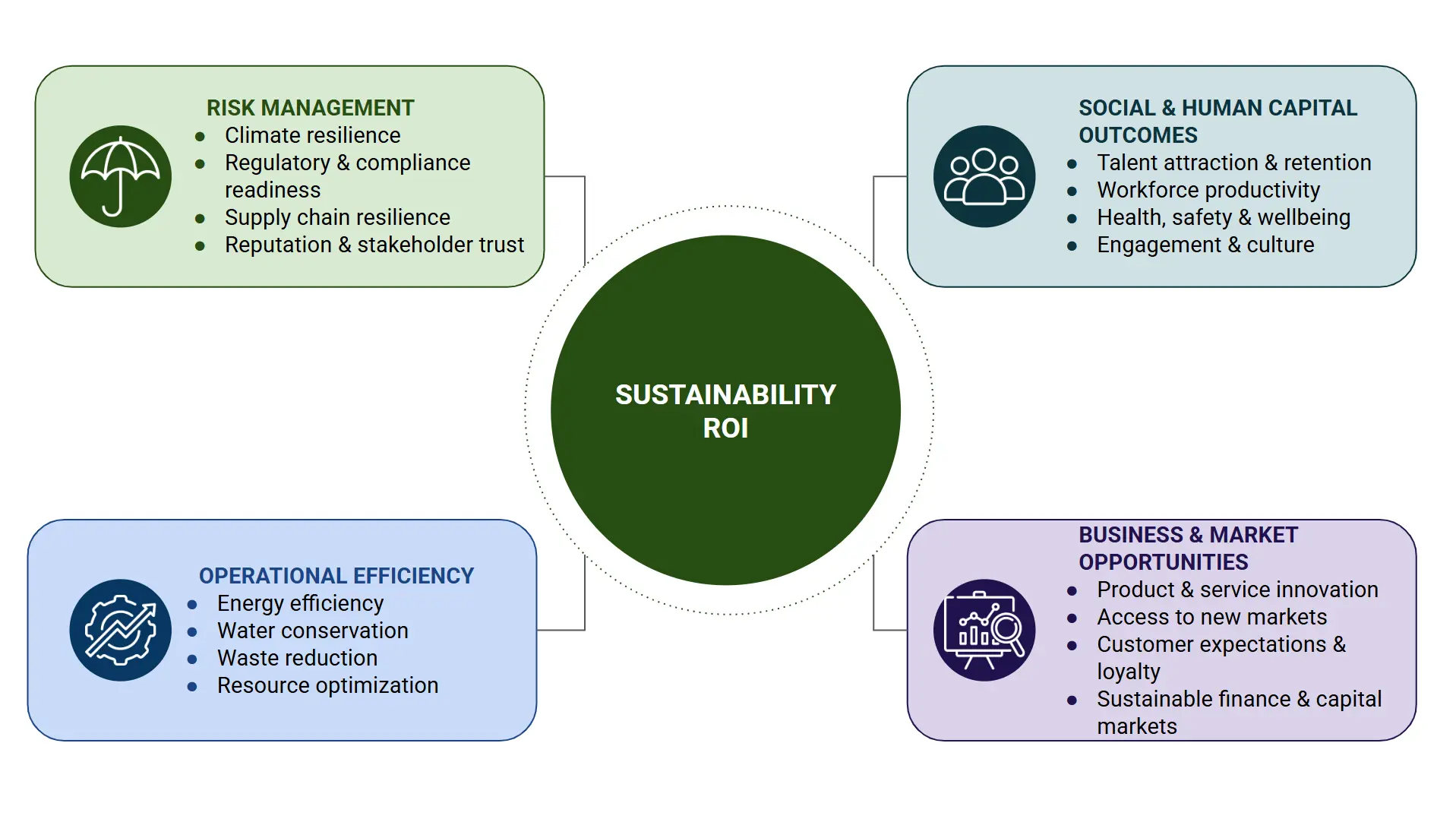
Figure 1. Dimensions of Sustainability Value
Source: HPL analysis, based on McKinsey (2021), WBCSD Measuring Impact Framework, IFRS Foundation (ISSB), and Harvard Business Review (2016).
Although these benefits are often more difficult to quantify than direct cost savings, they can play a critical role in enhancing/protecting long-term business the value of an enterprise in the long term.
Risk Management and Value Protection
One of the most significant contributions of sustainability initiatives lies in their ability to reduce risks and protect organizational value. Investments in climate adaptation, responsible supply chain management, and proactive compliance can help organizations reduce exposure to physical and transition risks, strengthen operational resilience, and anticipate evolving regulatory requirements.[1][7] At the same time, strong sustainability performance can reinforce corporate reputation and stakeholder trust, helping organizations preserve their social license to operate and avoid potential financial and operational disruptions.[3]
Social and Human Capital Outcomes
People are increasingly recognized as a key driver of organizational value creation. Sustainability initiatives that promote employee wellbeing, diversity and inclusion, workforce development, and safe working conditions can contribute to stronger attraction and retention of talent, higher employee engagement, and improved productivity.[8]
While these outcomes may not always be reflected in traditional ROI calculations, they can strengthen organizational performance and competitiveness over the long term.[4]
Business and Market Opportunities
Sustainability can also create value by enabling innovation and supporting business growth. Organizations that integrate sustainability into product development, operations, and business models may improve their competitive positioning, respond to evolving customer expectations, and access new market opportunities.[2]
In addition, strong sustainability performance can facilitate access to sustainable finance instruments—including green bonds, sustainability-linked bonds, and sustainability-linked loans—allowing organizations to diversify funding sources and potentially improve financing conditions.[9][10]
Towards a More Holistic Assessment Framework
Given the multidimensional nature of sustainability value, organizations increasingly need assessment frameworks that move beyond traditional financial metrics. A more holistic approach does not replace conventional ROI analysis; rather, it complements it by incorporating additional indicators that help capture how sustainability initiatives contribute to financial performance, risk management, operational resilience, and long-term value creation.[4]
While there is no single methodology for measuring Sustainability ROI, guidance from organizations such as the WBCSD, GRI, and the IFRS Foundation highlights a number of common principles for assessing sustainability-related value. In practice, organizations typically follow four broad steps: (1) identify the value drivers generated by sustainability initiatives, (2) select relevant indicators to measure those drivers, (3) link sustainability outcomes to business performance, and (4) integrate the resulting information into decision-making and reporting processes. Figure 2 summarizes this practical approach.
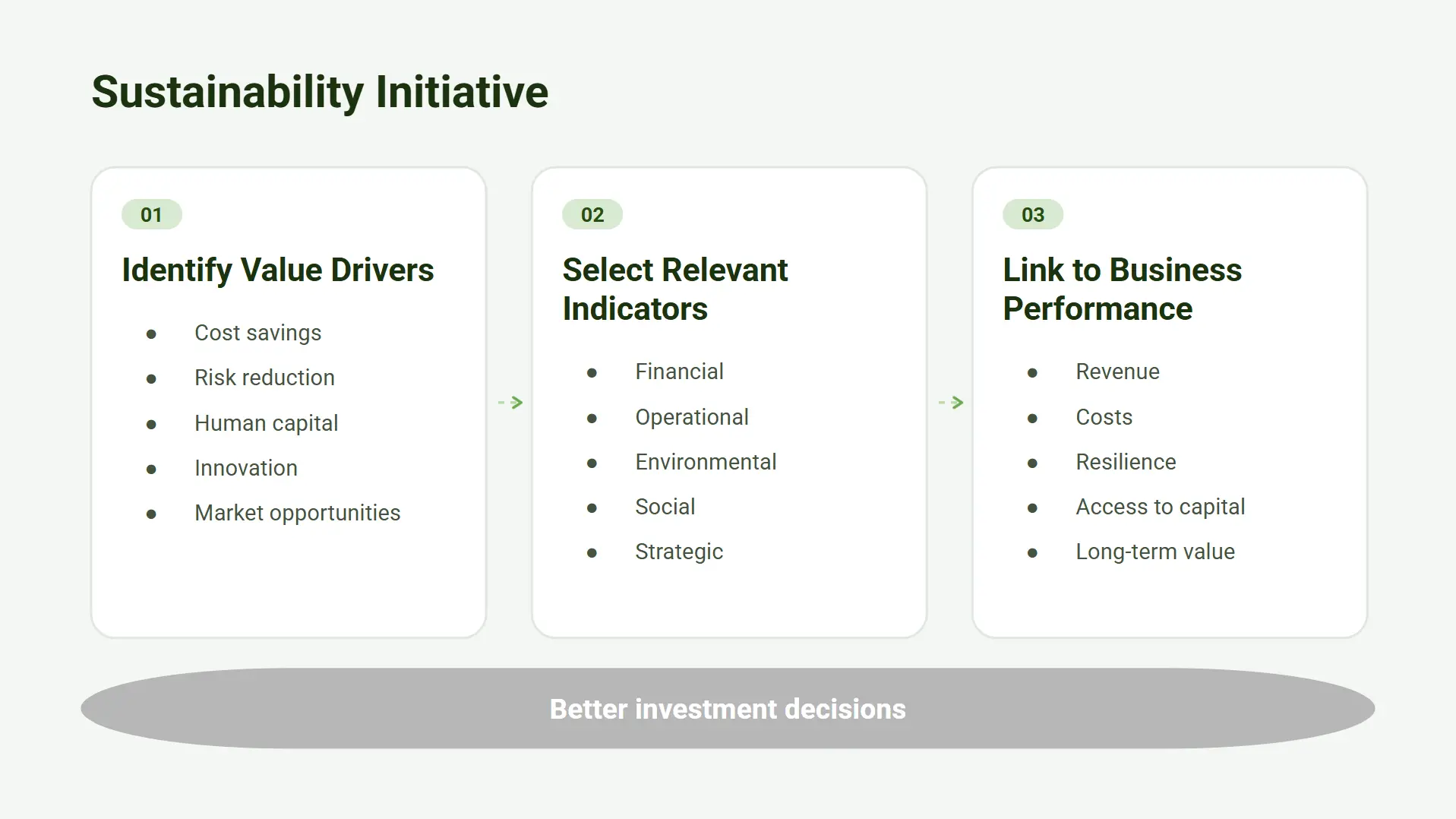
Figure 2. A Practical Framework for Assessing Sustainability ROI
Source: HPL analysis, based on WBCSD Measuring Impact Framework, GRI Standards, and IFRS Foundation (ISSB).
The first step is to identify the value drivers that are most relevant to the organization’s sector, business model, sustainability priorities, and stakeholder expectations. For some organizations, the most relevant drivers may be energy efficiency, water savings, or waste reduction. For others, they may relate to climate resilience, regulatory readiness, employee retention, product innovation, or access to sustainable finance. This step is important because not all sustainability initiatives generate value in the same way, and not all indicators will be equally relevant across sectors or geographies.[11]
Once the relevant value drivers have been identified, organizations can define a balanced set of indicators. These may include quantitative indicators, such as cost savings, revenue generation, emissions reductions, resource efficiency, avoided losses, employee turnover, or financing costs. They may also include qualitative or semi-quantitative indicators, such as stakeholder trust, customer perception, innovation capacity, supplier engagement, or governance quality. The objective is not to measure everything, but to select indicators that are decision-useful and aligned with the organization’s strategic objectives.
A critical next step is linking sustainability outcomes to business performance. For example, an energy efficiency project may reduce operating costs and emissions; a climate adaptation investment may help avoid asset damage or business interruption; stronger employee engagement may reduce turnover and recruitment costs; and a credible sustainability strategy may support access to capital or strengthen investor confidence. Establishing these links helps decision-makers understand how sustainability initiatives contribute to both immediate financial outcomes and longer-term strategic value.[3]
Finally, organizations should integrate these indicators into their leaders’ performance scorecards, internal decision-making, reporting, and capital allocation processes. Sustainability ROI becomes more useful when it informs investment prioritization, risk management, budgeting, performance monitoring, and stakeholder communication. Reporting and disclosure frameworks can support this process by helping organizations structure information on impacts, risks, opportunities, and performance in a more consistent and transparent way.[1]
From Cost Reduction to Value Creation
Viewing sustainability ROI through a multidimensional lens allows organizations to better understand how sustainability influences both financial and non-financial performance. It also supports more informed investment decisions by capturing a broader range of outcomes that contribute to long-term value creation.[4]
As sustainability becomes increasingly integrated into business strategy, the ability to assess and communicate its full value will become a critical capability. Organizations that adopt more comprehensive approaches to sustainability ROI may be better equipped to navigate evolving risks, respond to stakeholder expectations, and identify opportunities within the transition toward a more sustainable and resilient economy.[1]
—
María Fernanda Benítez, graduated with a Bachelor’s Degree in Actuarial Science from the Instituto Tecnológico Autónomo de México (ITAM). At HPL, she has contributed to the execution of 11 consulting projects by conducting research, performing comparative studies, structuring thematic Bond Frameworks and preparing reports for financial institutions, development banks, sovereigns and companies in LAC. Previously, Fernanda worked at Citigroup as a ICG Operations Summer Analyst, where she conducted comparative analysis of KPIs and collaborated in implementing improvements in tracking processes. Prior to this, she was an intern at Samsung Electronics Mexico, where she generated detailed reports on training-related KPIs and contributed to the creation of innovative materials. Her focus is on finance, sustainable finance, consulting, and corporate banking.
—
[1] IFRS Foundation. International Sustainability Standards Board (ISSB). Available online.
[2] McKinsey & Company (2021). Five Ways That ESG Creates Value. Available online.
[3] Harvard Business Review (2016). The Comprehensive Business Case for Sustainability. Available online.
[4] World Business Council for Sustainable Development (WBCSD). (2008). Measuring Impact Framework. Available online.
[5] International Energy Agency (IEA). (2025). Energy Efficiency 2025. Available online.
[6] World Resources Institute (WRI). Aqueduct Water Risk Atlas. Available online.
[7] Intergovernmental Panel on Climate Change (IPCC). Assessment Reports. Available online.
[8] Deloitte (2025). 2025 Gen Z and Millennial Survey. Available online.
[9] Climate Bonds Initiative. Climate Bonds Initiative (2025). Sustainable Debt Market Summary Q1 2025. Available online.
[10] International Capital Market Association (ICMA). Green Bond Principles. Available online.
[11] Global Reporting Initiative (GRI) (2021). GRI Universal Standards. Available online.